Showing posts with label philippine travels. Show all posts

Wednesday, November 7, 2012

Back to Sagada: A Return to Serenity

Sagada Tree-D
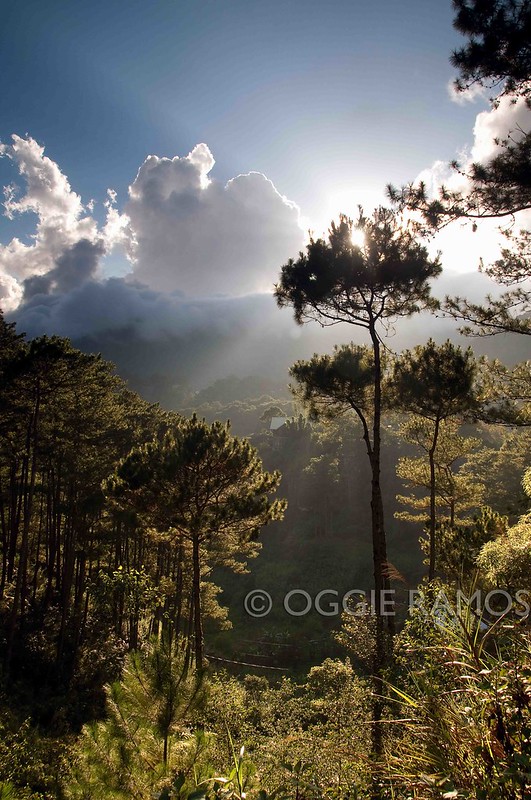
Luminous light on a scene on the way to the town center
The air was still, the quiet so apparent, you can hear your thoughts loud and clear.  The silence was broken only by the occasional passing of vehicles on the main road and the intermittent trilling of birds in the trees.

Ahh, the reward of serenity after nearly five hours on the Victory Liner bus to Baguio, another six hours on the GL Lizardo bus to Sagada, arguing at 5am with the GL Lizardo dispatcher who told us to board the bus while lining up at the ticketing booth and then taking it back and asking us to alight the bus to buy tickets first, and getting a dose of country music through most of those six hours.  Oh, but it was a nice surprise to hear Hillsong praise music interspersed with the country westerns -- a real blessing for the trip.  I've been coming back for the past six years especially during the times when I need to get away for a while and think things through.  After staying in the town center for the first couple of times, I've been opting for the outskirts for the past two trips.  Well, fate has sort of consigned us to book for accommodations in the outskirts since we're reserving a week before the trip and on the heels of a cultural immersion.

Wednesday, August 24, 2011

Sagada: A fiery sunrise, a newly-explored falls and a misguided guide

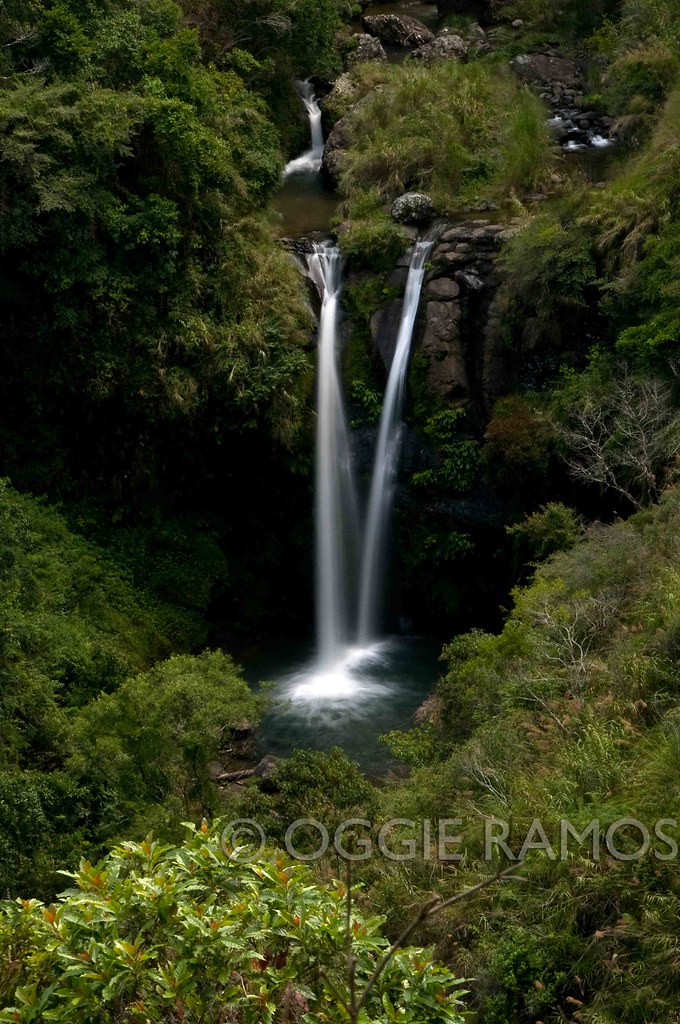
Sagada - Tap-ew Falls II
Twin falls of Tap-ew
My first few times in Sagada, I filled my days with activities.  One particular trip, I was up Mt. Ampacao and down to the belly of Sumaguing Cave in a span of a few hours.  Over time, I've come to embrace the merits of slowing down and immersing myself in the moment.  Maybe, photography has something to do with it -- waiting for the ideal light to come.  And well, after our blitz of preparations for a series of events early this month (imagine compressing half-a-year's worth of prep into under two months), the last thing on my mind is to crowd the itinerary and rush.

Friday, September 17, 2010

48 hours in Ilocos: Light in the northern towns

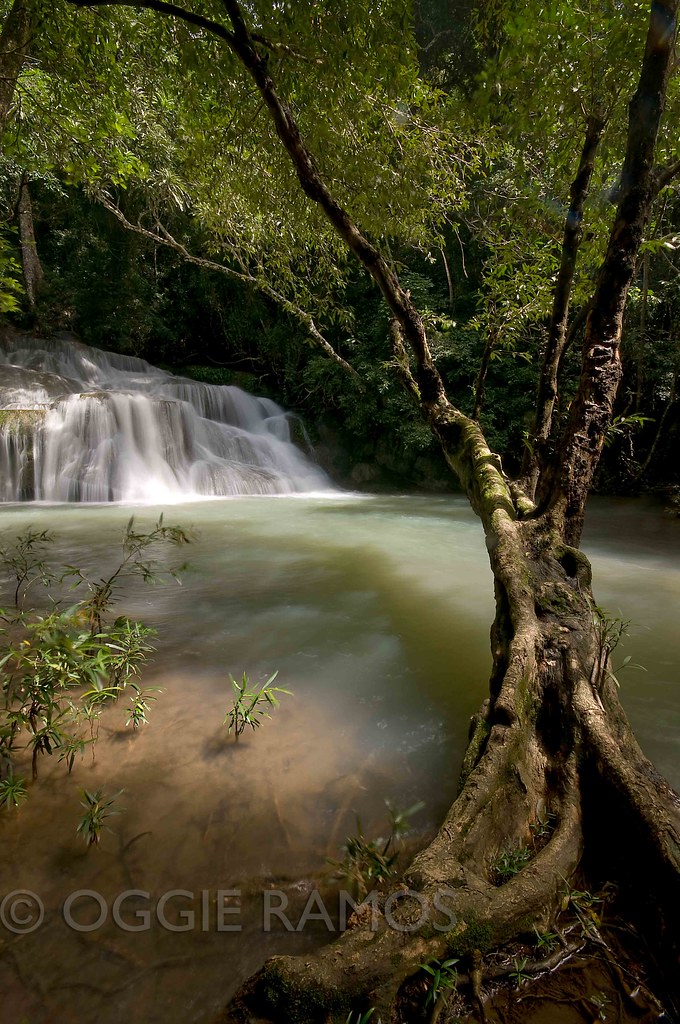
Ilocos Norte - Kaangrian Falls Luminous Tree Silhouette
Kaangrian Falls, breathtakingly luminescent in the dappled overcast light
Going to Ilocos Norte took the better part of the night and morning but as for me, the road back to these northern parts took me the better part of five years.  I remembered my first trip in 2005, driving for hours on end, fighting off sleepiness and fatigue but taking in all the wonderful scenery. Fastforward to a recent long weekend when the trip just happened, materializing on its own.  I really had no plans of heading up north but I guess like life, trips just happen.  For a change, it's fun to go on a short (two days only) roadtrip with a very relaxed itinerary (and no driving for me).  As much as I love photography, at times, I just feel like relaxing my grip and  savoring the moment.
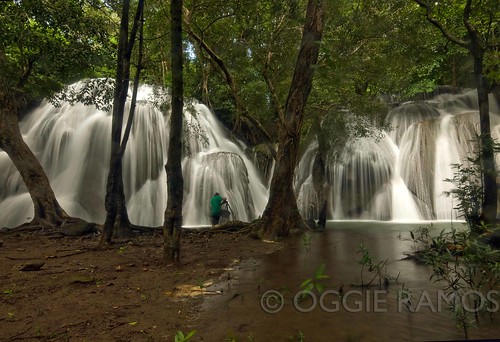
Ilocos Norte - Kaangrian Scale
Kaangrian cascades dwarf Kitz
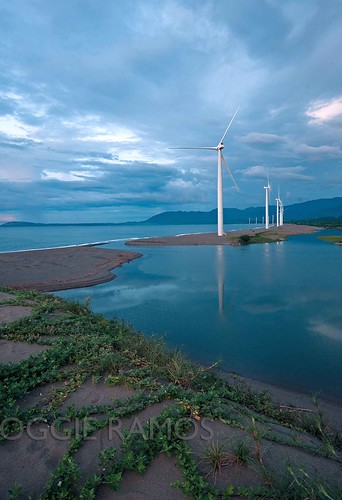
Ilocos Norte Bangui Windmills Blues
Bangui Bay Blues
First stop, Kaangrian Falls.  With only a few hours of sleep while in transit, we stopped at the police station in Burgos to look for Julius, our guide for Kaangrian.  The policemen were kind enough to escort us to the jump-off but  we bumped midway into guess who, but Julius himself.  With no time to go back to buy trail food or snacks, lunch had to wait until evening as we spent the late part of the morning and most of the afternoon at the falls.

Finding the falls took us an hour and a half of hiking thru the forest.  The sun shone brightly for most of the afternoon which gave us some time to slack off, then as if repentant, it gave us a brief reprieve with some overcast conditions that allowed us to shoot the falls and admire its beauty.  I've heard so much about this falls but never got the opportunity to go and see it for myself until now.  According to our guide, Kaangrian means foul-smelling in Ilocano since the waters are tainted by guano but nevermind, the falls is breathtakingly beautiful and more than makes up for the hike.

Bangui Bay at sunset.  The allure of what I call the "Big Iron Giants" still draw the tourists in droves, nevermind if the sky was grey.   Who would've thought that giant wind turbines would not only generate much-needed power for Ilocos Norte but also generate tourism?  We shot for a while and then checked out the mini-windmill souvenirs right along the shore.  The habagat season often means less than stellar sunsets and this afternoon was no different but what the hey, we thank our lucky stars for giving us a window of overcast lighting at the falls so who are we to complain?  Besides, lunch and slumber beckon at Villa Fernando in Bangui town proper.
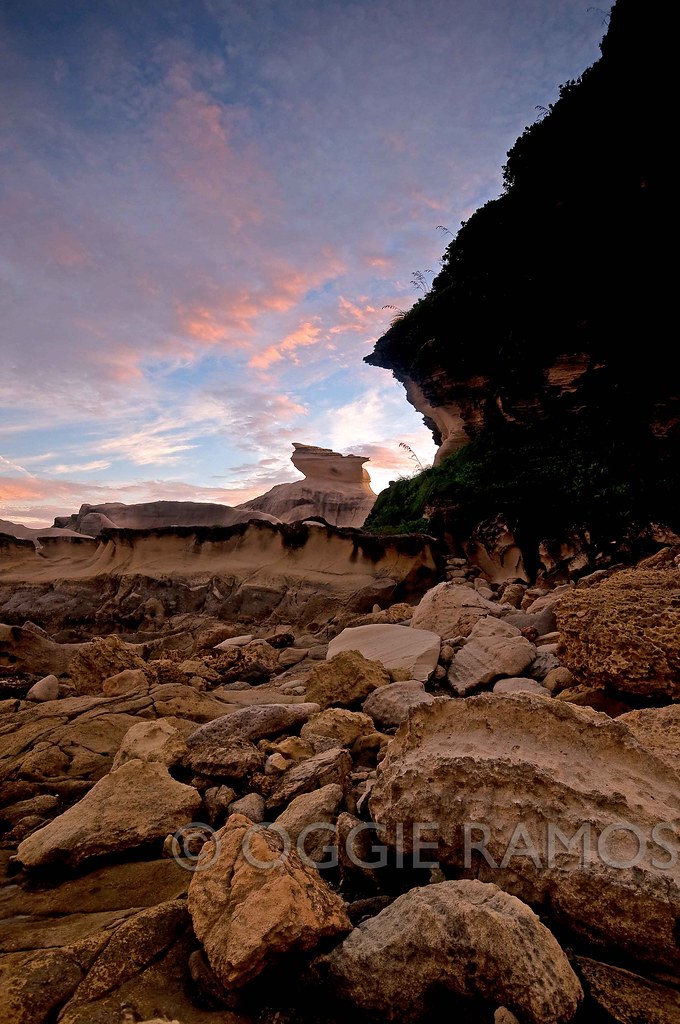
Ilocos Norte Kapurpurawan In the Sunrise
Kapurpurawan in the early morning light
Sunrise at Kapurpurawan.  It was raining when we woke up at 3am.  Will the fiery sunrise we saw along the road yesterday replay itself?  Or will the rains continue and we ought to go back to sleep?  We decided to take a chance and drove to the rocky coast of Burgos. At the turn from the highway, the trail narrows with tall grass mostly obscuring the path.  Our photographer-friend from Dagupan, Kitz, surmised that with the rainy season, maybe fewer and fewer people are visiting as the vegetation is reclaiming the land.
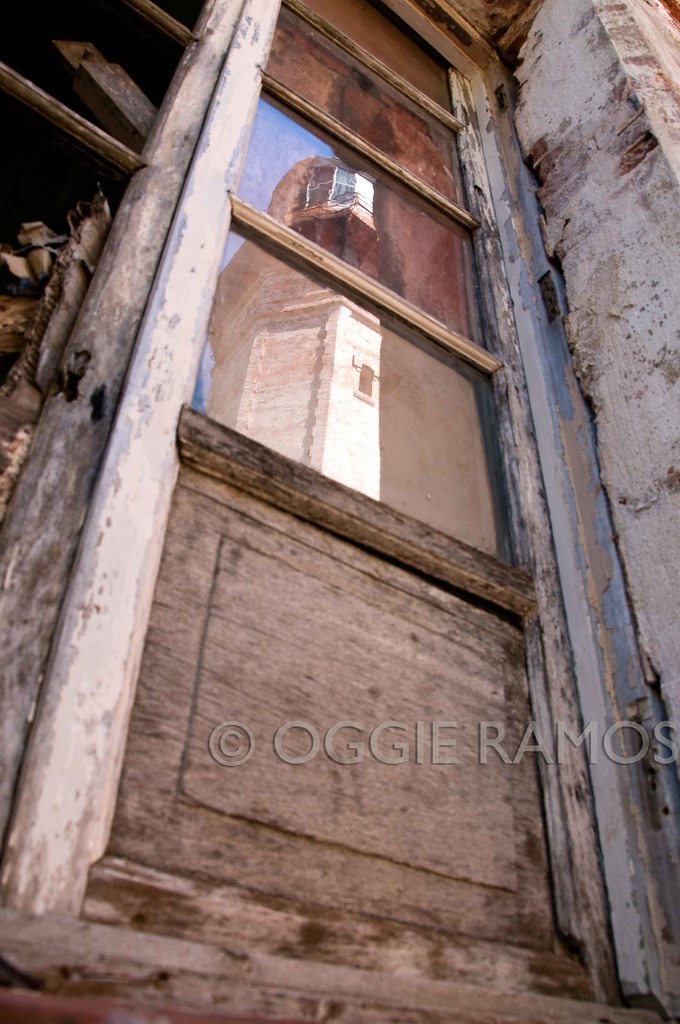
Ilocos Norte - Bojeador Reflection
Bojeador reflection
Lantaw and I were singing James Taylor and Carole King songs while waiting for the light to shift while Kitz jockeyed up for position elsewhere.  Ahhh, save for fishermen looking for crabs, we had the place all to ourselves, the quiet intruded only by the waves lapping on the nearby shore and our occasional quips.  The reward was seeing this otherworldly rock formation in a new light as the sky wore subtle hues of red, pink and yellow against an ocean of blue.

Noon at Bojeador.  In keeping up with the relaxed pace, sleep was inserted somewhere in the itinerary between Kapurpurawan and Bojeador.  Lantaw and I were mulling over the fact that this cultural heritage structure is a mirror image of the San Antonio lighthouse on Capones island when three busloads of college kids from Manila arrived.  It seems to me that the significance of the place was lost on them as most came up for a cursory glance and then went on a posing binge for a Facebook profile.  Mang Ben, the caretaker, wasn't around so it's off to the next stop.
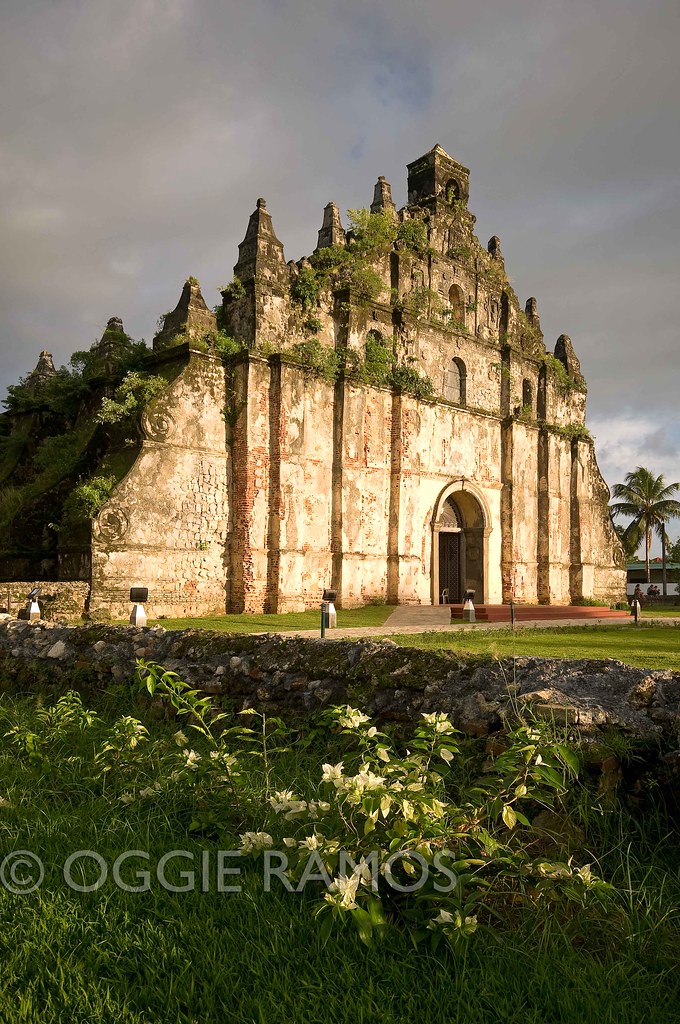
Ilocos Norte - Paoay Church Bathed by the Sunset Light
Paoay Church looks resplendent, bathed in the golden sunset light
Paoay at sunset.  After enjoying some food (the mandatory empanada, of course, at Batac) along the way, we had to get our share of soul food as well.  This we got at Paoay, where we caught the beautiful baroque facade of St. Augustin church seemingly aglow, bathed in the late afternoon sun.  This UNESCO World Heritage Site never fails to draw the tourists in even with the lateness of the day so much so that I can't help but notice the rather upscale looking cafe and a bed & breakfast inn (with free Wi-Fi to boot) in front of the church getting good business.  Even passing through Vigan later where we had our bagnet dinner, there were plenty of visitors eager to get a taste of the cultural experience.  And perhaps like us, eager to explore and discover the hidden wealth, natural wealth that is, of Ilocos.

With apologies to the 80s group, Dream Academy, for borrowing the phonetic sound-alike title of their song, "Life in a Northern Town".  Lagalog thanks Mon Corpuz, Kitz Ferrer, Wyatt Gavina and Allan Barredo for helping make this trip happen. 

Tuesday, September 7, 2010

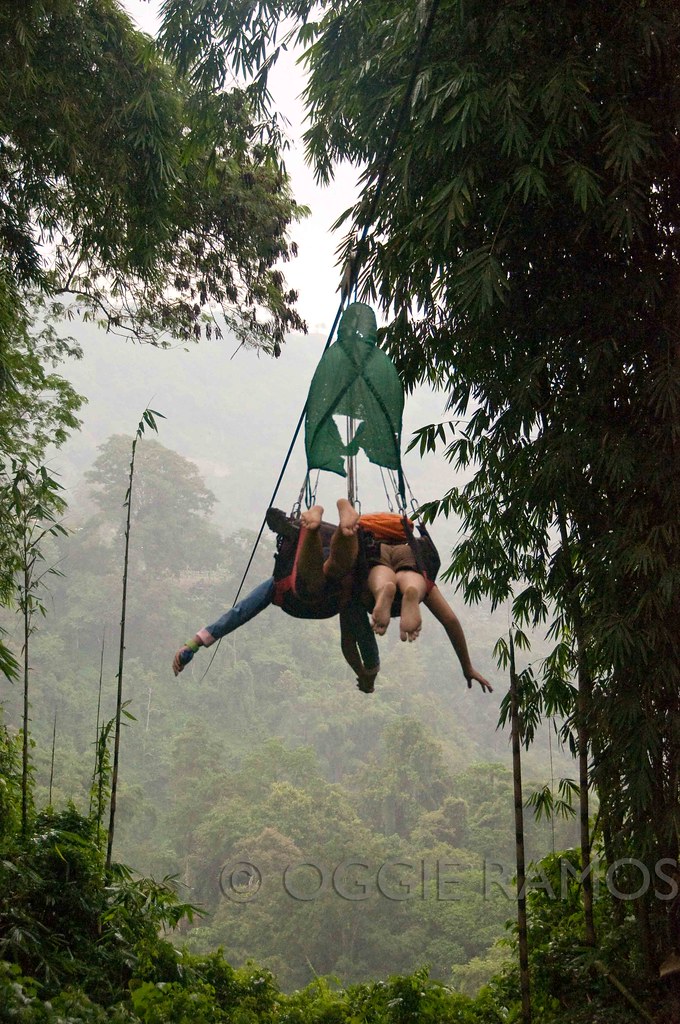
Lake Sebu: Zipping through five falls in (about) 60 seconds

Lake Sebu - Zipline II
Intrepid adventurers launch into the green void from Falls One
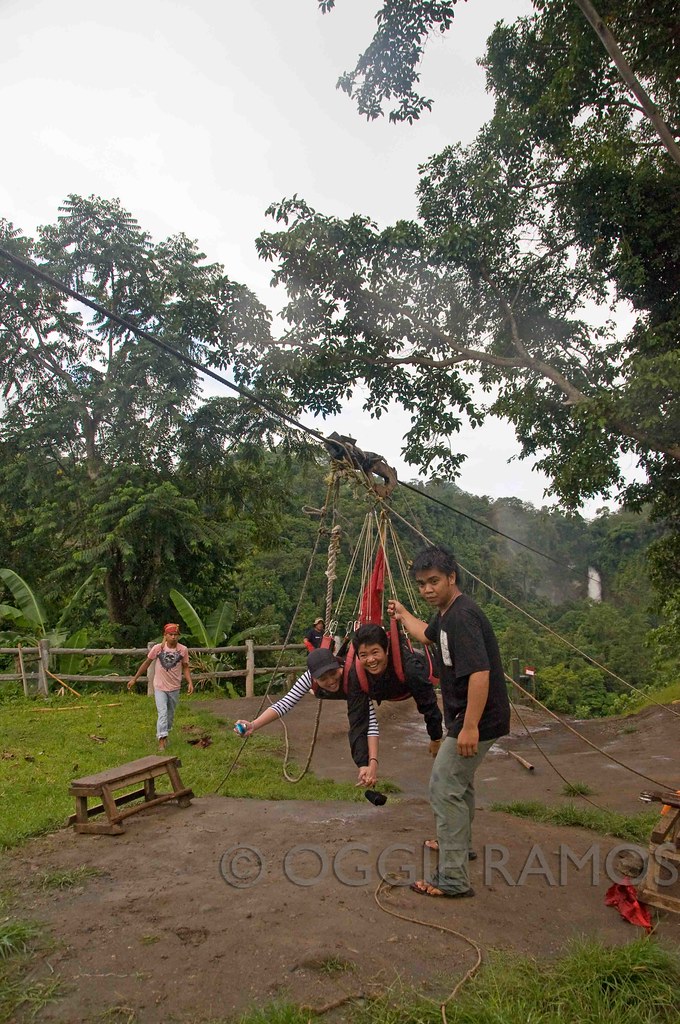
I wasn’t really keen on getting on the zipline, much less lugging C-Dreepio, my Nikon DSLR, for the ride but that was the way things panned out. After the rains had come, the usual long line of kibitzers and gungho tourists have petered out. Our group was odd-numbered so it was a shame to let one of our participants zip by her lonesome.

I got paired off with Abie, the most animated and loquacious in our contingent and once we took off, she wasted no time in asking where we should look. Here we are suspended over 700 feet above sea level and zipping across 740 feet of wire and we were actually having a casual conversation.
Lake Sebu - Zipline Qai and Agnes
BP participants Qai and Agnes came in for a soft landing
Well, we didn’t exactly jumped into a void as once we got past the clearing, we found ourselves hovering above an expanse of forest. Each succeeding increment of the short ride revealed falls after falls otherwise hidden by forest cover.
Lake-Sebu---Zipline-Drop-over-Falls-One
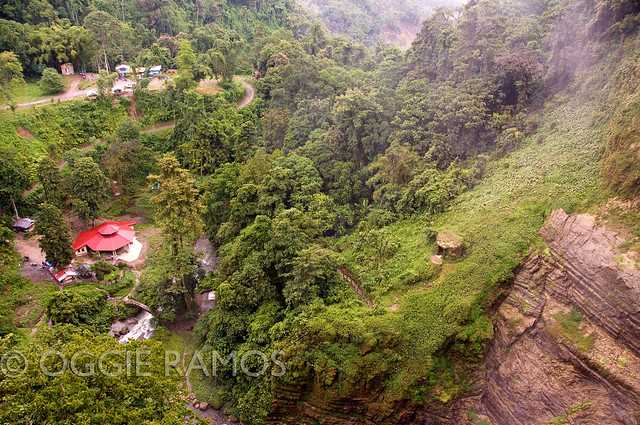
The roof of the Falls One Clubhouse stands out among the green
Spotting Falls One was a cinch as the red roof of the clubhouse was a giveaway. Falls Two was identifiable by its tall cascade and dramatic sheer rock walls. I later learned that the series of cascades that snake through the jungle were falls three, four and five.

The ride was over before I can even contemplate on getting scared out of my wits or start ruminating on the meaning of life but it was one incredibly scenic ride. Perhaps, it’s the only way to get a glimpse of the hard-to-trek-to series of falls but I’m amazed at how much forest seems to be intact.
Lake Sebu - Falls Two Layers of Textures
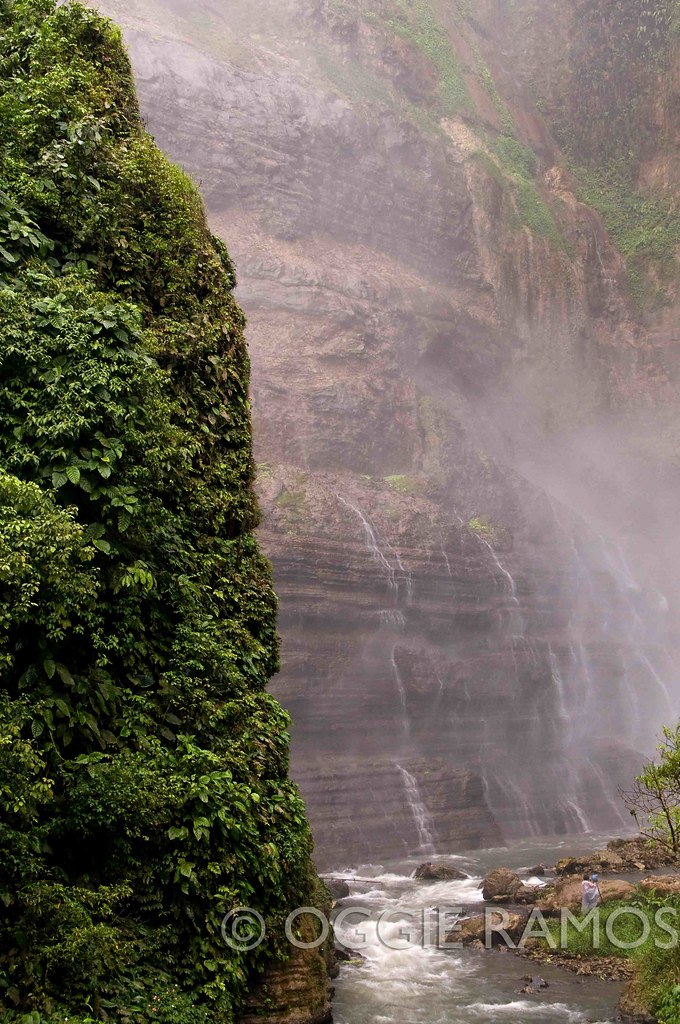
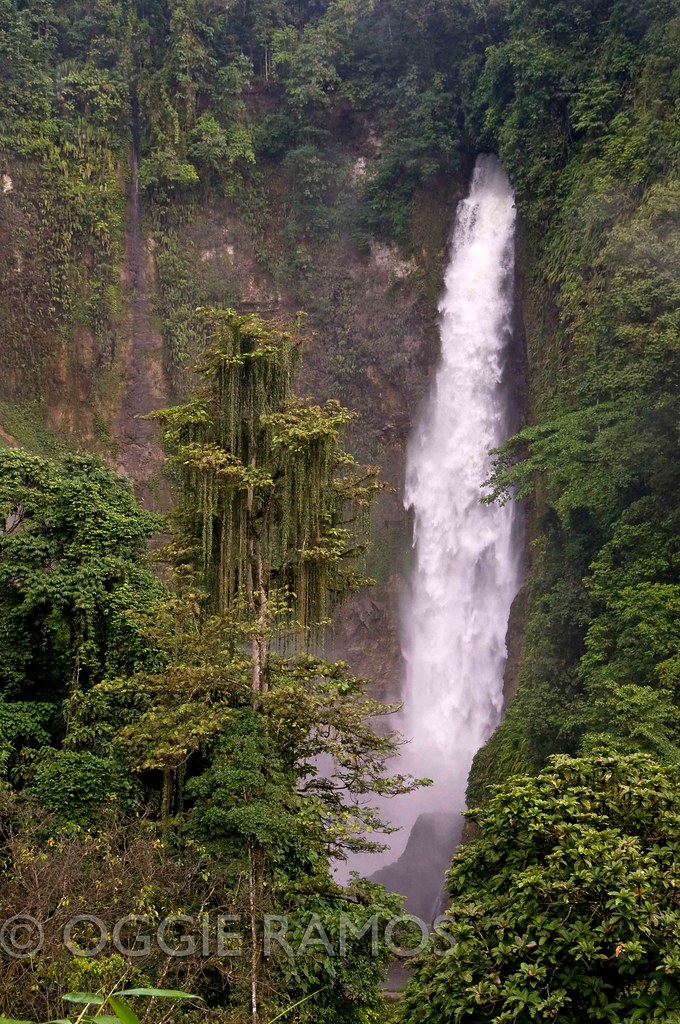
Falls Two's dramatic layers of textures
From the viewdeck, there’s another, shorter zipline to take us to the jump-off for falls two about 400 meters away. The falls was as awe-inspiring as I remembered it, the raging cascade made more thunderous by the rains.

Plans are afoot for providing rock climbing activities for Falls Two and a cable car ride across the five falls. I just hope that these wouldn’t be unsightly distractions like the clubhouse of Falls One. But I must admit, the zipline and jumping into the green void were swell ideas. After three years of being away, the falls of Lake Sebu bid us a splashy welcome.
Lake Sebu - Falls Two Cascade View from the Roadside II
From a distance, Falls Two evokes raw power and beauty
INFO: The Lake Sebu Zipline is acknowledged as the highest in Asia at over 700 feet above sea level. There are actually two ziplines: the longer one (740 meters) takes one from Falls One to a viewdeck overlooking a portion of Falls Three to Five. The second zipline (around 400 meters) takes the rider to Falls Two. Fee: P300/pax. Operating hours: 8-5pm except during storms or heavy rainfall.

Coming up in Lagalog:  Gumasa: Escaping to the beach

Friday, September 3, 2010

Lake Sebu: Meeting the master dreamweaver and the future of dreamers and weavers

Lake Sebu - Lang Dulay
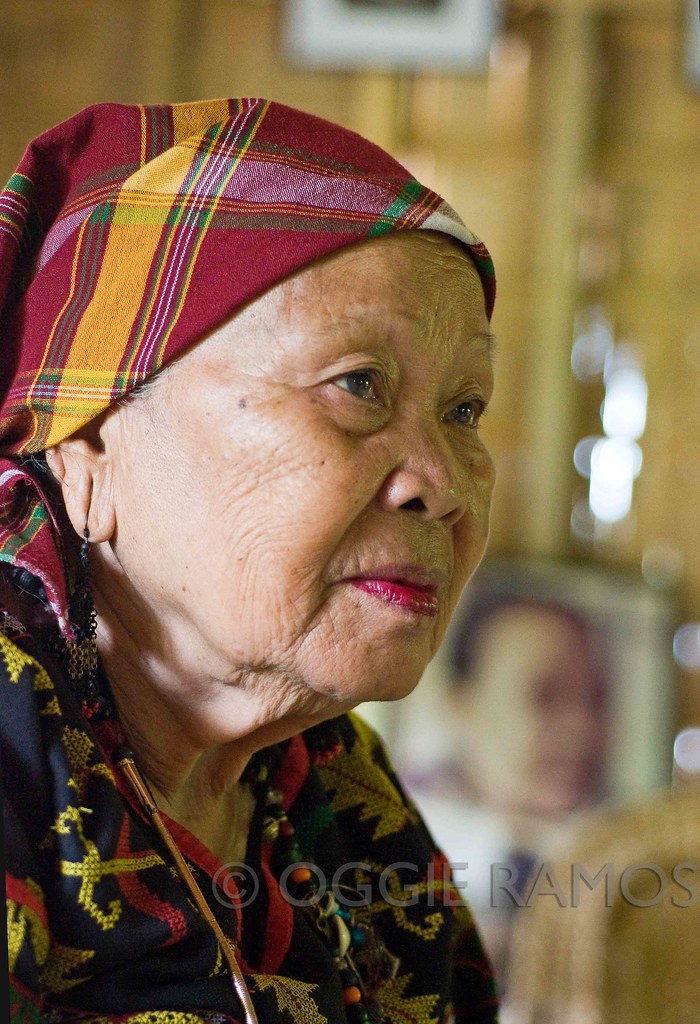
Lang Dulay, Manlilikha ng Bayan, Master Dreamweaver
The Bajaus have their colorful mats, the Yakans their equally hue-filled cloth, and the T'bolis have their T'nalak.  I'm not much of a souvenir collector or a memento keeper but I find these crafts fascinating.  Most are a bit pricey (I'm such a cheapskate) though I understand that each is painstakingly crafted by hand.  For a deeper appreciation of the T'nalak, we got a firsthand look into how much labor of love goes into making this cloth during our trip.
Lake Sebu - Lang Dulay Name on T'nalak
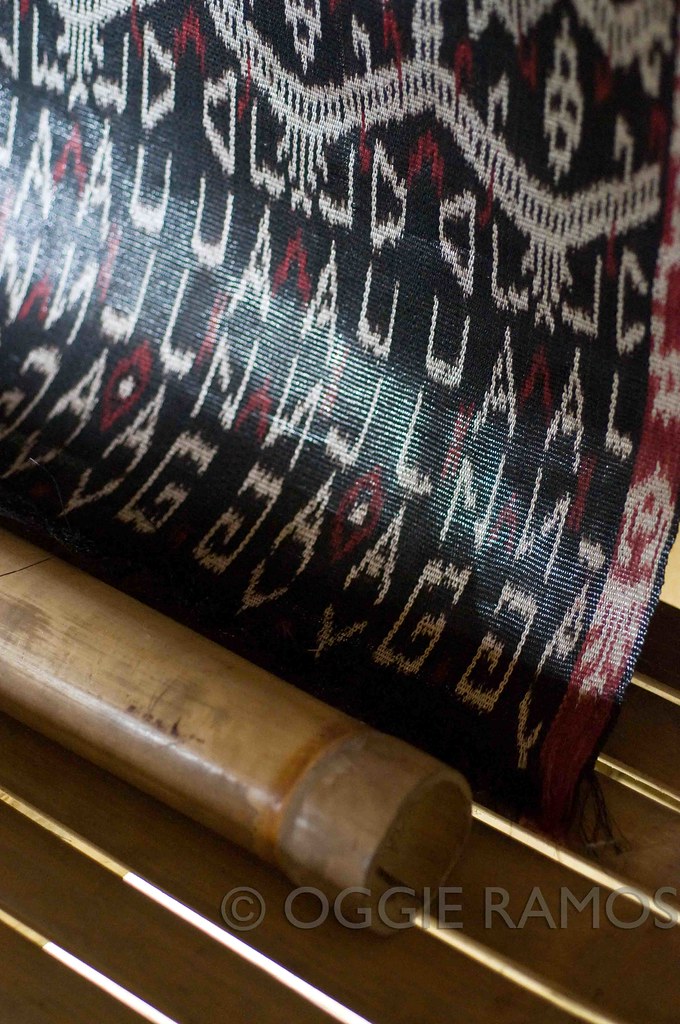
Finished T'nalak with Lang Dulay's name woven into the pattern
But first, let's meet a living treasure.  Lang Dulay is already in her 90s but she looks sprightly for her age.  Her vision may not be as good as before and prevents her from weaving but she still oversees the designs herself as well as teaches the younger women the craft.  After all, she's still the master dreamweaver, the one bestowed with divine inspiration by the goddess Fu Dalu during slumber.  She is a treasure-chest of designs with knowledge of over a hundred designs from clouds (bulinglangit) to butterflies (kabangi).  Not surprising that she is considered a national living treasure with the honor of being a Manlilikha ng Bayan (National Artist) bestowed on her by the National Commission for Culture and the Arts (NCCA) in 1998.  Meeting her was a privilege.
Lake Sebu - Weaving at Lang Dulay's Longhouse
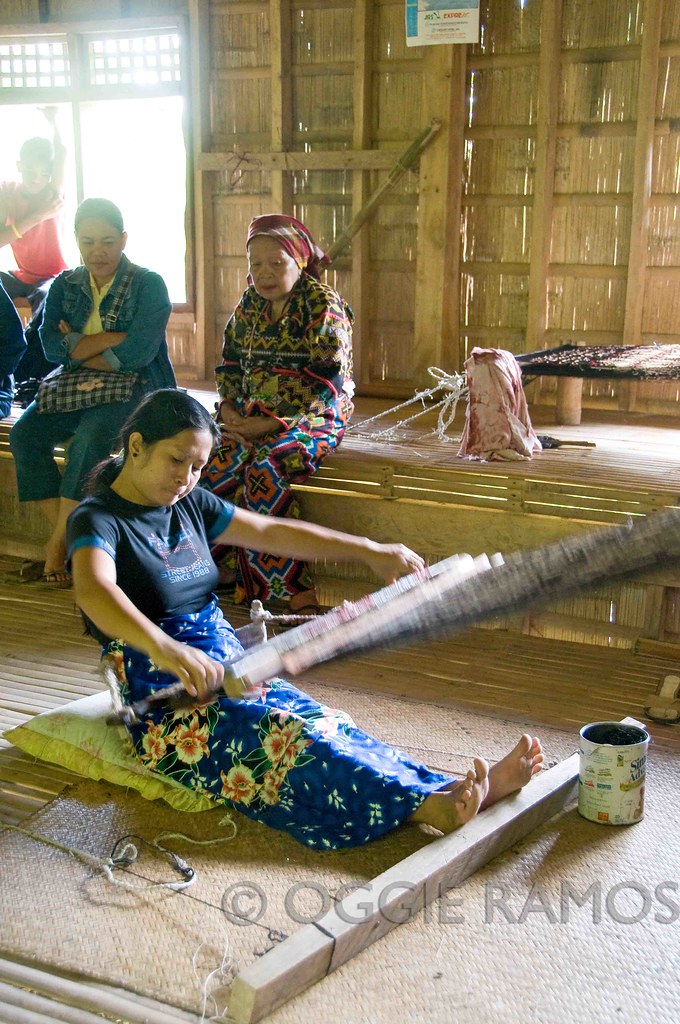
Lang Dulay oversees the design and weaving
We went around her gunu bong or longhouse (the quintessential T'boli abode built on stilts) which I believe is also the training venue for her students.  One section was devoted to the making of the patterns; another to the weaving manned by her apprentices.  Her progeny and descendants, both biological and cultural, mill around the longhouse while we admire her works.  What language failed to communicate, her designs were able to bridge. We walked away with newfound respect for this living treasure and optimism that the art of T'nalak weaving is alive and well.
Lake Sebu - Lamdalag Longhouse Red Weaver
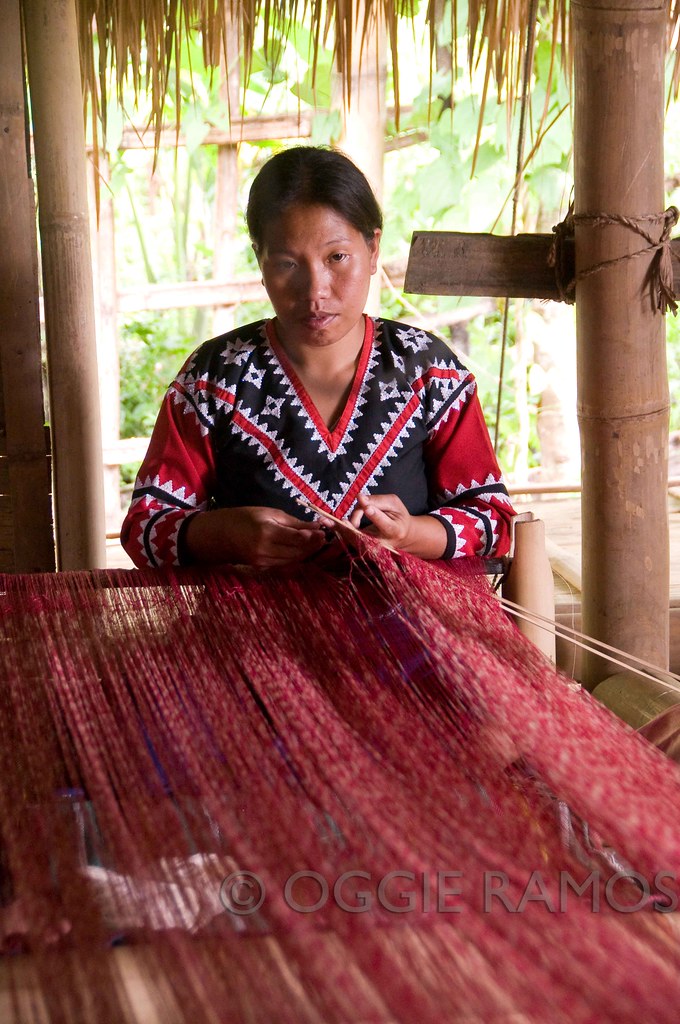
Weaver in a pensive moment
Weaving 101.  Next, we ventured to Bo. Lamangdalag, about an hour away from the poblacion via motorcycle passing through dirt and rough roads, to learn and appreciate how much work goes into the T'nalak.  This is a longhouse help built by Lang Dulay and the Cowhed (Cooperative of Women for Health and Education) through the auspices of the International Labor Organization (ILO).

Explaining the process is tedious in itself; the making of the T'nalak more so.  The abaca plant is first stripped of its fibers. The fibers are then sifted by hand and dried.  After that, these are tied to form threads later wound into balls.  Next, the threads are stretched across a bamboo frame where the pattern maker define the design by meticulously putting plastic straws on parts of the thread.  The threads are then boiled in vegetable dye with the portions tied with plastic straw left un-colored to produce the pattern.  These are  then dried.  If the design requires more colors, the process of putting straws on parts of the thread, boiling in dye and drying are repeated again and again.

Then the weaving begins with the dyed fibers stretched across a loom with a backstrap to give tension to the weave. Depending on the complexity of the design and length of the cloth, the weaving can take anywhere from three to six months; the cloth for a wedding dress can take up to a year to finish.  The fragile nature of the abaca fiber also dictates that weaving be done during the cooler hours of the early morning or evening when the fiber is less brittle.  When finished, the cloth may be ironed with a shell to give it a luminescent gloss.

Spinning yarns and weaving beliefs.  The making of the T'nalak is fraught with beliefs and practices that give the cloth an even more textured story.  Like the weaver is not supposed to walk over and across the outstretched threads so as not to get sick.  The cloth shouldn't be washed with soap since it is sacred.  When weaving certain designs, the weavers forgo months of intimacy perhaps so as not to disturb the flow of divine inspiration.  Hmmm, this last one is one I find most interesting for perhaps, one can put a price on cloth but cloth with patterns spun by tradition and shaped by dreams?  That's priceless.

Thank you note: Backpack Photography thanks the ILO staff of Lake Sebu, Cowhed (Cooperative of Women for Health and Education) and Sta. Cruz Mission for allowing us to gain insights on the T'nalak making process and the cooperative of T'nalak weavers.  Attribution: National Commission for Culture and the ArtsWikiPilipinas

Coming up in Lagalog:  Zipping over five falls in (about) 60 seconds

Monday, August 30, 2010

Lake Sebu: Reflections on a journey back to the land of lakes, falls and dreamweavers

Lake Sebu - Seloton Shrimp Catchers II
Lake Seloton Shrimp Catchers Reflection
Goodness gracious, was it already three years ago since we first stepped into Lake Sebu?  One thing I distinctly remembered from that trip was that the cool clime was a direct contrast to the warmth of the people.  Another thing was the abundance of bodies of water, from placid lakes to thundering waterfalls, considering that the place is almost 300 meters above sea level.
Lake Sebu - Seloton Boats and Roots
Seloton Sunrise Lake Reflections
Going back to Lake Sebu was already in our plans later in the year or next year but one of our participants in our Backpack Photography workshops tossed the idea of doing it much earlier.  So who are we to refuse?   Our good friend, Lantaw, who hails from Marbel, told us there were changes in the place like a zipline traversing five of the seven falls.  Hmm, was that good or bad?  That made us even more excited to find out if these were nice additions or degrading commercial distractions to a place that we find enchanting and worthwhile revisiting.
Lake Sebu - Young Fisherman & Mom
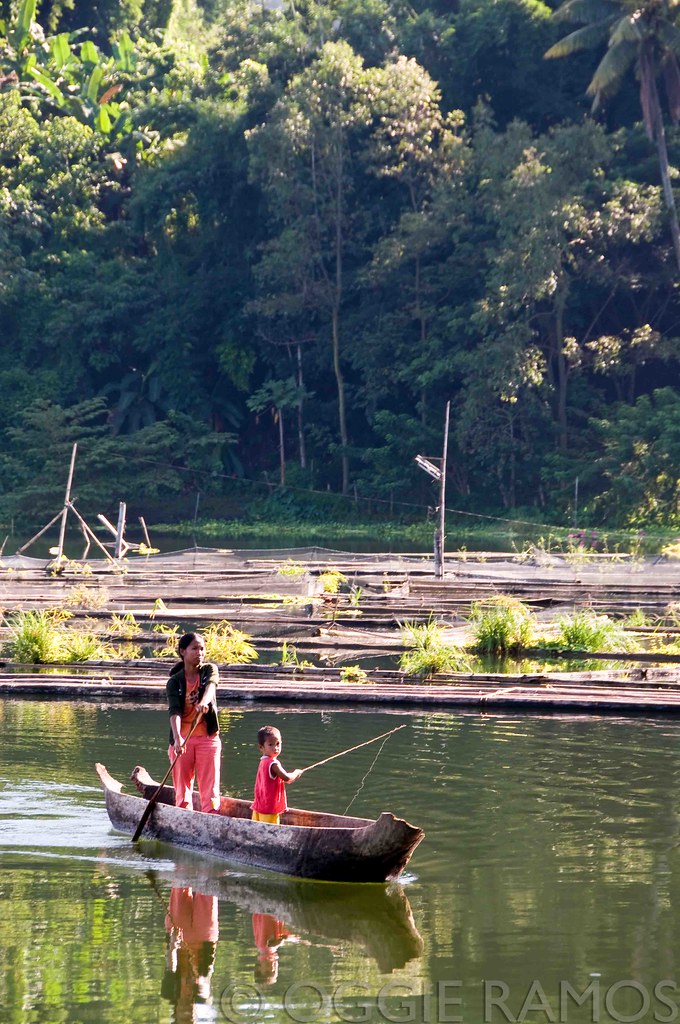
Starting 'em young - Young T'boli boy cast his luck at Lake Sebu
The nicer thing about revisiting Lake Sebu this time around is being able to share the appreciation of the culture of the indigenous T'boli who calls this ancestral domain their home with our participants. On a personal level, I believe that more just bringing home nice photographs, the greater reward is in reaching out to our indigenous brothers and sisters and appreciating their culture, their way of life.  Another valuable thing is in expressing awe over the beauty of the surroundings, of how much is left intact and largely untouched.
Lake Sebu - Boat and Lily
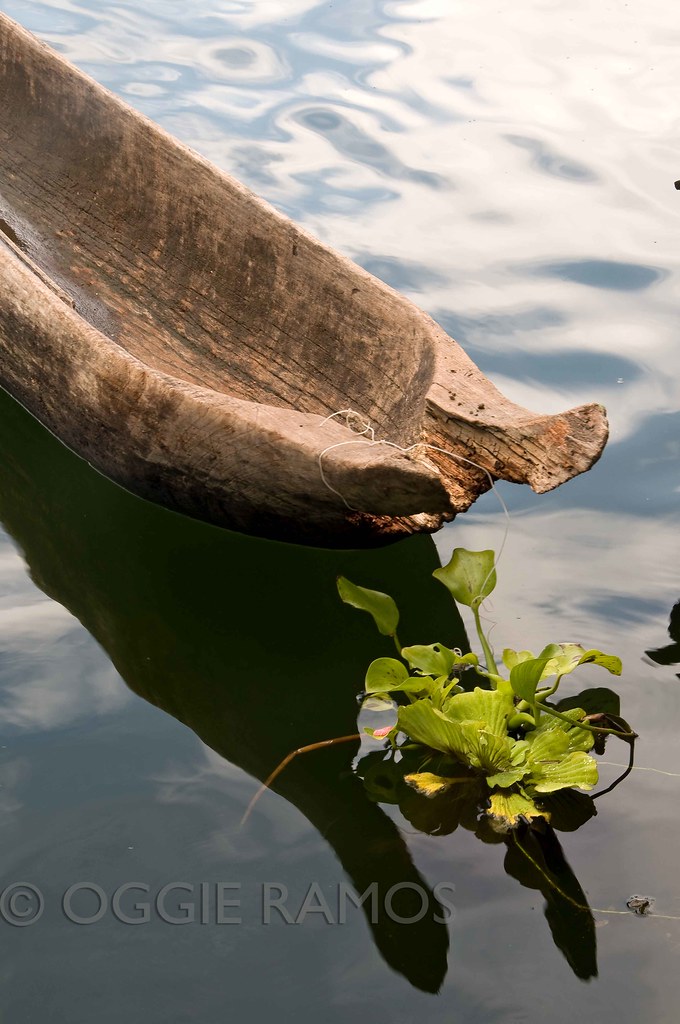
Lake Sebu - A boat and lily
And so we made a journey into a land of lakes and waterfalls; of a gentle people whose lives revolve around water; of weavers who forego months of intimacy so as not to disrupt the flow of dreams that inspire the patterns of T'nalak.   Maybe, when you're enveloped by so much water, your dreams will be as liquid as the lake.  And maybe, just maybe, if Billy Joel saw Lake Sebu, he might have entitled his song "Lake of Dreams."

Coming up: Meeting the Weaver of Dreams
Future Lagalog: Zipping Over Five Falls in 60 seconds

Thursday, July 15, 2010

Itbayat, Batanes: Catching a glimpse of the simple life and the simply breathtaking sights

Batanes Itbayat Sta Maria Church
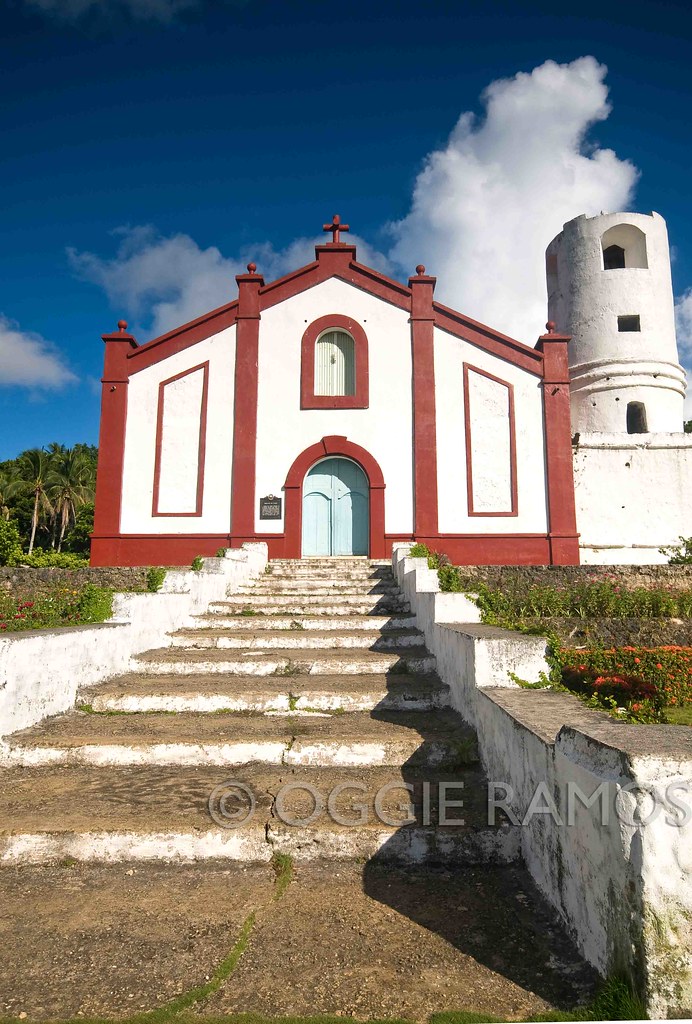
Sta. Maria Church of Itbayat, built in 1888
Nanay Maria Gordo, the owner of a homestay on Itbayat, was so right about giving us each a mosquitero to go with the blankets.  When the power on the island went off at 12, the mosquitoes were only too eager to oblige to a midnight feeding.  We had a long chat with Nanay Tina Cano, Itbayat's tourism officer the night before.  But not before visiting the striking Sta. Maria church.  Fr. Dennis, the Spanish priest who has been here for 42 years, was preoccupied when we visited but after seeing me shooting on the grounds, he promptly sent one of the kids to open the church doors.

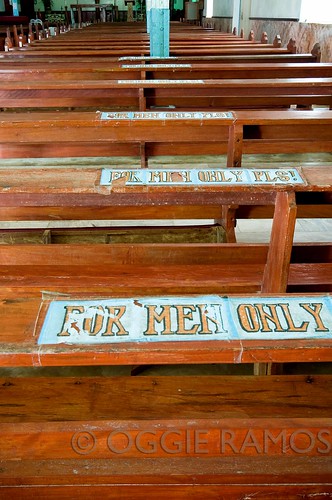
Batanes Itbayat Sta Maria Church For Men Only Back Pews
Back pews for men only
An old church with an interesting back story.  Inside, the church is simple though comforting in an austere way.  A glance at the back pews gave us the idea that not only is the church old (the stone structure was started in 1872, completed in 1888) but also reassuringly olden in its ways.  The back pews are reserved for the men while the women sit out in front.

The building of the church has an interesting backstory.   In the 1800s, the Spaniards who saw the locals' adherence to the new faith sought their free labor.  Thousands of locals lined up side-by-side the 1.7 or so kilometer distance between the town center and Pagganaman port where the stones were quarried.

We would've wanted to wander into the caves down south but it was wonderful to chat with Nanay Laura of Laurez Carinderia located just in front of the church.  She's a kind lady and a retired municipal treasury officer turned cook and craftswoman who's seen a lifetime of changes on the island and it is always fascinating to hear stories from the locals themselves.
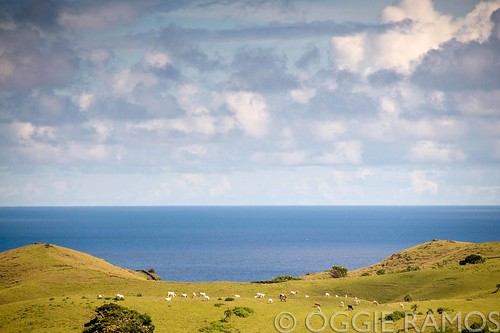
Batanes Itbayat Fluffy Clouds Blue Sea Green Hills Grazing Cows
Clear sky, blue sea, green hills of Raele
Seeing the beautiful lay of the land.  Still, we've got time to spare for a look-see of Raele, one of the island's five barangays where the airport is being built.  Construction has been ongoing for the past two years and many are waiting in great anticipation (I included) when it will finally open.  This will greatly help bring in more visitors who are otherwise unable to visit as the 3-hour boat rides are not for the easily seasick.

After traversing tracts which are being reforested, we gape at the wide open expanse of green pastureland meeting the sea in a lot of places.  The way Ironwulf described it is "Batan's Marlboro Hills -- only much, much bigger".  I couldn't agree more.  The place really looked and felt like a huge postcard come to life.  At one point, in Tawran, one can see the peaks of D'inem, Riposed and Batan's Iraya side-by-side.  Amazing, indeed.
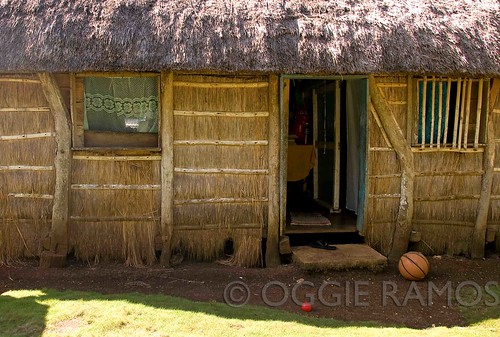
Batanes Itbayat Raele Vernacular House
Vernacular houses made from grass preceded the stone houses
Jason, our guide, took us to the vernacular houses of Raele which are cogon grass houses that preceded the more familiar Ivatan stone houses (It was the Spaniards who introduced the concept of building houses with stone).  Visiting one to shoot more details, we came across a boy and his father, the latter despite feeling that his house was unkempt for shooting, obliged.  Before we left, he gave us a pasalubong of two pineapples.  I forgot his name but I will never forget his kindness, nor of his kababayans.

Thursday, July 8, 2010

Field Tests: Canon Selphy Printer, Sony Bloggie HD Camera and Eagle Creek Twist Pack 22

There's nothing like a trip to really test whether products can stand up to the rigors (and abuse) of travel, of being transported and used on-the-go.  And for our Backpack Photography Batanes workshop, we had the pleasure of having Canon Selphy, Sony Bloggie and Eagle Creek as travel companions.  
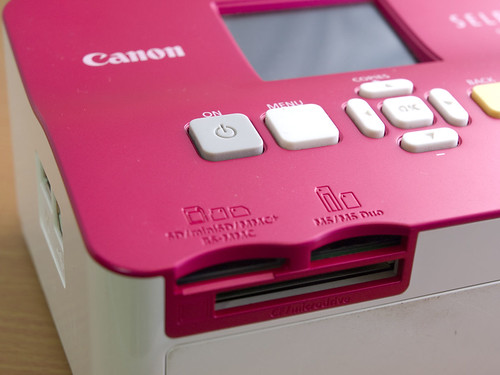
Canon Selphy
Canon Selphy CP780
CANON SELPHY - The CP780 model was a much compact unit that the ones Canon generously lent us during our Banaue workshop.  Considering the airline baggage limit, this smaller footprint and the lighter weight were a Godsend.

PROS: Nevermind the funky pink color, the printer was a hit among our participants.  And why not?  It was really easy to use, with no learning curve whatsoever.  The exercise was pretty straightforward:  insert card, choose file, choose number of copies, then press "Print". For the most part, the prints came out bright and impressive.  I really liked the overcoat that makes fingerprint smudges less of a problem when handling the prints; the glossy coating also made the colors really pop out.

CONS: Sadly, there's no facility for reading raw files which is tricky for dedicated raw shooters like me.  There was also a tendency for some images to come out too dark.  The unit loaned to us may also have a busted port for flash drives which limits the flexibility of this otherwise versatile and very portable device.

VERDICT:  Handy to have. Makes impressive quality prints. Wouldn't mind traveling with one.
Visit the Canon website for more details on this Selphy.

Sony Bloggie
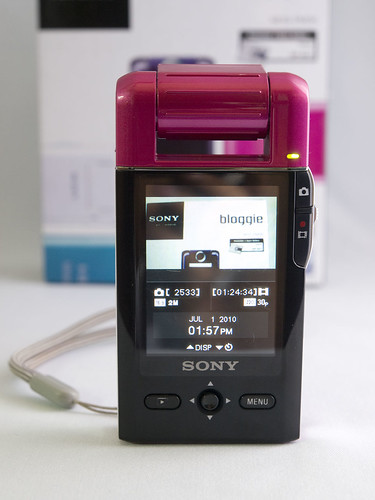
Sony Bloggie
SONY BLOGGIE - hmmm, what's with the pink color?  We also were loaned by Sony a pink Bloggie to help document our trip so I guess pink's a popular color for tech devices.  Anyway...

PROS:  Really very handy camera.  Easy to shoot even with just one hand.  The swivelling head comes really handy during times when I forget to turn off the device as I just swivel it away to power down.  The 360 degree lens attachment is a novelty.

CONS:  Image tends to blow out in overcast conditions and suffer during low light.  The video, while of HD quality, IMHO, is much too compressed for practical use outside of sharing on youtube or social networking sites (must be a way to really lengthen recording times).  

VERDICT:  A gadget ideally targeted to internet users. Handy, yes. But replacement for your Handycam, not really.

Jump over to the Sony website to get a closer glimpse of the Bloggie.
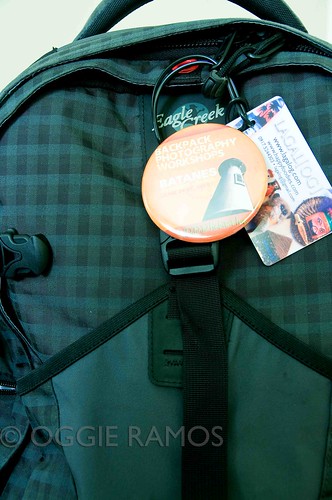
BP Batanes Eagle Creek Backpack
Eagle Creek Twist Pack 22
EAGLE CREEK TWIST PACK 22 - I must admit I'm a backpack person through and through.  So when Primer, the local distributor of Eagle Creek, was kind enough to offer me to test the Twist Pack 22 for the trip, I happily obliged.

PROS:  Very roomy with space to spare for all my stuff for a week's vacation.  In fact, I could've contained even my carry-on camera bag inside.  

The zippers feel sturdy.  The front flap has a myriad of compartments for electronics, cables, books, etc.  The wheels are not prone to getting stuck.  The sternum strap is really very much appreciated as it helps balance the load when the pack is used as a backpack. 

The pack also looks more like a backpack than the usual boxy luggage.

CONS:  A bit heavy at 7.4 pounds as I'm very used to backpacks under 3 or 2.5 pounds (this would make a good main pack though). The pack dimensions are also bigger than the specifications for hand carry/carry-on luggage so this pack will have to be checked-in when traveling domestically.

VERDICT:  Good quality versatile pack that feels sturdy and looks stylish.  Wouldn't mind having one for future trips.

Take a more detailed look at Eagle Creek's Twist Pack 22 at this link.

Saturday, July 3, 2010

Back to Batanes for Backpack Photography and a little bit of exploration plus a little more introspection

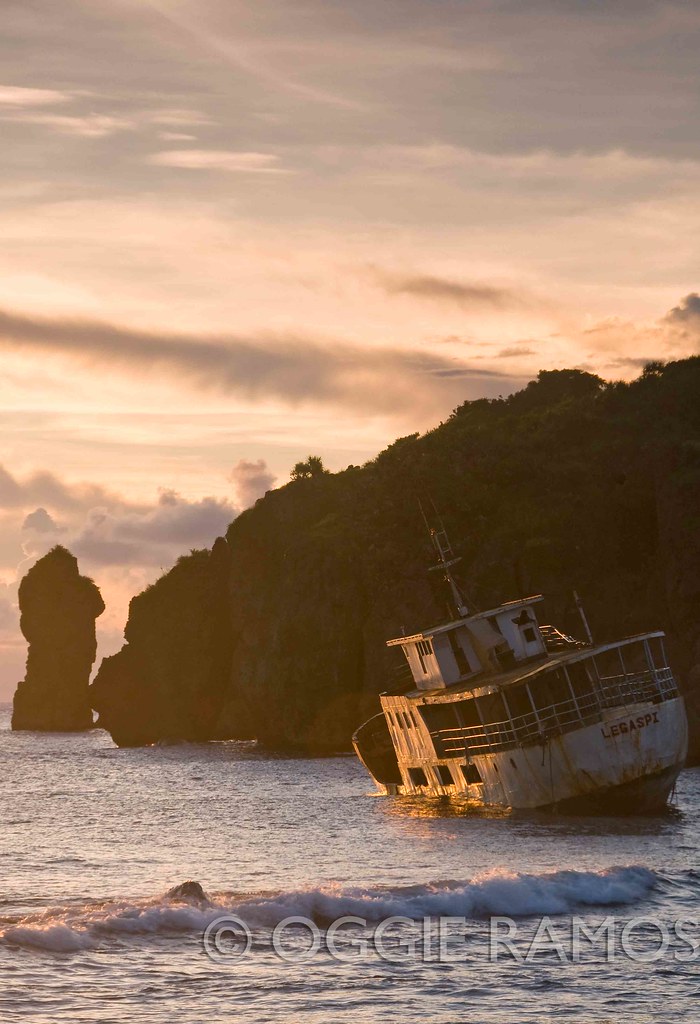
BP Batanes Basco Pantalan MV Legaspi
Shipwreck at Basco port
The green rolling hills of Sabtang were the first things that greeted my eyes as the plane banked and made a sharp turn towards Batan.  On this day blessed with good weather, there were white dots moving amongst the green expanse which were cows and goats grazing while vigorous waves formed white caps that untiringly dashed toward the foot of the sheer, rugged cliffs.  It's a sight I've seen a number of times before but the scene never grows old on me.

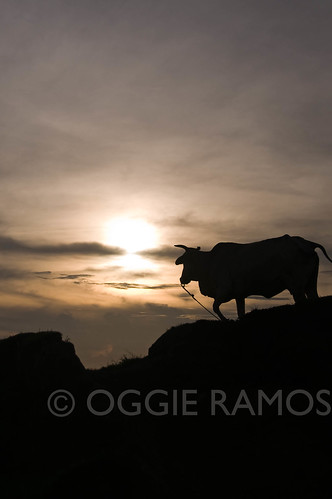
BP Batanes Viang Hills Cow Sunset
Cow sunset in Viang
My freelance writing work has grown more hectic over the past months -- a blessing really, though it leaves me with little time to travel so this break was a welcome respite.  This was still work as the trip was our second Backpack Photography workshop which I co-facilitate along with my best buddy, Ironwulf, though it was work literally out there in the green fields, not within the confines of an office.  We wanted the workshop to be a good mix of fun and learning, theories and field applications, action and interaction and from the get-go, it looked like our participants had fun, even if we came during the week of Batanes day celebration and the Basco town fiesta when power outages seem to be the norm.

Sure, the inconveniences were aplenty -- the long and frequent power cuts; the water supply that gets promptly shut off at midnight and would only resume come 5.30AM; the closing of shops at 7 or 8 at night (a bane for those who lack supplies for the next day's early trip); and the fact that in the balmy weather, a welcome sip of ice cold Coke or bottled water is a rarity. But looking at the land and seascape, one is quickly reminded that he/she came here for the sights as well as a chance to escape the usual and mundane.
BP Batanes Mahatao Fields of Gradients & Lighthouse
Mahatao Gradients of Green with a view of the Mahatao lighthouse in the distance
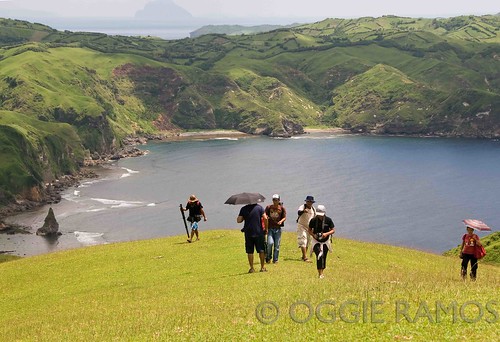
Going around Batan.  We had the benefit of having a jeep at our disposal to go around the main island of Batan on our first and third days.  Even so, there are sites that begged for more than a casual stroll to be appreciated like the Marlboro Hills.  Or enjoying the distant vantage points of Viang at sunset.  Or negotiating the rocky/boulder-filled Valugan shore before sunrise.  There are easier walks too like surveying Mahatao from Radar Tukon and visiting the Mahatao lighthouse.  And for a comedic turn, how about being chased by an ardent cow on the slopes of Naidi hills?
BP Batanes Marlboro Hills On the Hike Back
Hiking Marlboro hills
Oh, there were surprises here and there, some pleasant and others rather unpleasant -- like why did anyone ever painted the stone seating on the Chanarian viewdeck?  Or installed a hut-like structure on Imnajbu with no roof (guess no roof can ever last long with this kind of windy conditions) that made it look like a surreal four-poster bed overlooking the cliff?  How about the missing marker of the Songsong ruins that tell visitors of the story behind the ghost town?  It was a relief though to find a good lodging and eating place in the fishing village of Diura.
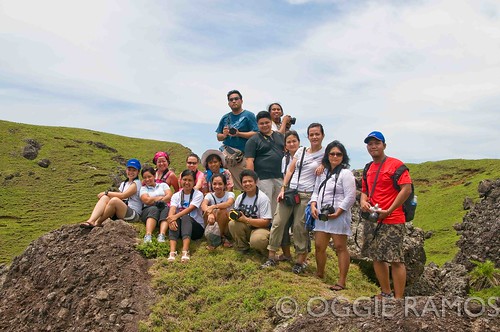
BP Batanes Group Shot on the Edge
Strolling down the slopes of Tiñan and having a blast
Escaping to Sabtang. Day two was spent going over to Sabtang.  The sea was calm and the crossing uneventful.  Going to Savidug, the group marvelled at the incredible vista of deep gullies, green forest cover and towering cliffs.  On the way to Chavayan, the group really had a blast strolling down the steep slopes of Tiñan and shooting away.  We found ourselves in Nakabuang Beach at mid-day, a bit sleepy from the power outage the night before and dazed by the food feast being served to us at mealtimes.  Tired, maybe.  But not from the sights, the experience, and certainly not from the good company.

Many thanks to our travel partners for helping make the workshop a success:
Seair for being our comfy travel airline to Batanes and back

Olympus Cameras for our blue caps which came very handy as it was very sunny;  
• DDD Habitat for being our home in Basco;  
Canon Selphy Printers which made printing our favorite pictures on-the-go possible;  
Sony Philippines for the Bloggie HD camera we used to document parts of the trip; 
• and of course, Primer Group and Eagle Creek which gave away those drool-worthy foldable backpacks to some of our lucky participants.  

Watch out for my field-test reviews on Canon Selphy, Sony Bloggie and Eagle Creek convertible backpack/trolley bag soon.

Sunday, May 16, 2010

Seair InFlight feature: Zuzuni - Charm in a Little Package

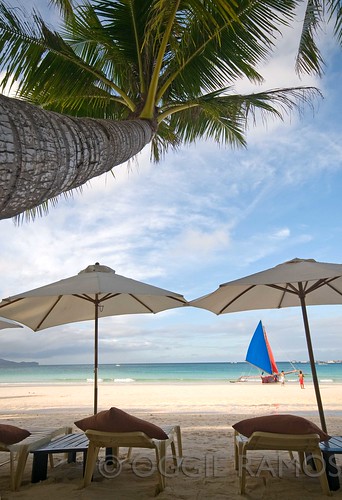
When in Boracay, enjoy the quiet and good food at the four-room Zuzuni resort.
 
LOCATION.  Zuzuni is located along the stretch of White Beach of Station 1 in Barangay Balabag, Boracay. It is a five-minute walk from D’Mall and a few minutes away from the popular bars and tourist hangouts of Station 1.

FIRST IMPRESSION. A rather charming three-storey boutique hotel facing White Beach. With just four rooms, it’s an antithesis to the big resort mentality of bigger is better. It’s refreshing to stay in a place where the staff know you by name and where you don’t have to share living space with hundreds of other guests. The look of the hotel is tasteful in a minimalist way. The restaurant design is striking – a red wall lined with ornate mirrors and a long, padded seat that wraps around the wall.  There is no pool but who cares when the beach is right in front of you.

ROOMS. There are two beachfront suites and two deluxe rooms with no two rooms looking alike. I was booked in deluxe room four, one of the two deluxe rooms, tucked at the back of the hotel. The window opens to the wall of the neighboring structure, hidden by roman shades; though the queen-size bed on top of an elevated platform is spacious. If you want separate beds, book deluxe room three, which has a bigger window that opens to a view of the inland neighbors. But if you prefer a view of the White Beach sunset, opt for the beachfront suites. Both have a balcony with outdoor seating, a nice spot to people-watch while nursing a drink. All rooms use hypoallergenic sheets, and locally sourced organic soap and quality toiletries.
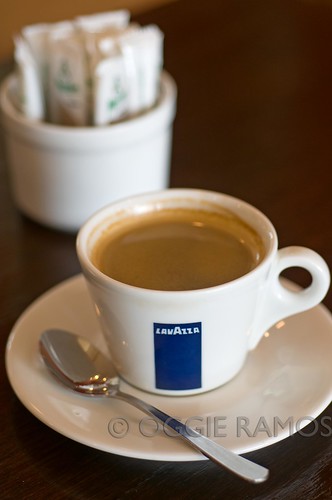
FOOD. The restaurant on the ground floor serves Mediterranean and fusion cuisine. Not a lot of places in Boracay serves breakfast very early but Zuzuni does and offers Filipino carbo-loaded favorite Pinoy breakfast of tapa or cured beef and egg, the very filling full stack (trio of pancakes served with butter and maple syrup), or the healthful fruits and muesli along with a cup or two of Lavazza coffee. The lunch and dinner fare are excellent as well, with the Lamb Keftedes (lamb meatballs), Vegetarian Pizza (fresh veggies and cheeses on pita) among the highly recommended dishes.  Never miss the Mati Chocolate Sin or dark chocolate and vanilla ice cream medley for dessert. The service is quick and efficient, the staff attentive without being intrusive.
WE LIKE. The relatively quieter location; the rooms that are well-insulated from the din outside – so even when the Friday and weekend parties go full blast, you are still undisturbed – and its premium amenities; and having a good in-house restaurant with a wide-range menu that comes handy when you just feel like lounging around.

VERDICT. Zuzuni appeals to tourists who put a premium on comfort and privacy. It’s ideal for people who want a balance between savoring the party vibe of Boracay and getting some quiet time when the mood calls for it. The real amenities of the island – anything from taking a dip to diving, parasailing to banana boating – can be found out there on the beach so all the hotel guest has to do is to step out into the sun and sands.  

INFO: Visit www.zuzuni.net; call +6336/ 288 4477; email [email protected]; visit www.zuzuniboracay@net to book. Rates per room per night with breakfast for two start at P3,200 for deluxe room 4, P3,600 for deluxe room 3, and P5,400 for the beachfront suite, and increases during high and peak seasons respectively. (low season is from June to September; high season is from October to May; while peak season dates are Christmas, New Year’s Day and Holy Week.)

This review feature has been published in Seair InFlight Magazine, May 2010 Issue • Words and images by Oggie Ramos, art direction by Jocas A. See

Sunday, April 18, 2010

Seair InFlight: 5 Days in Cebu, Part 2 - History

HISTORICAL CEBU.  A stay in Cebu is not complete without stopping by a few historical landmarks. The Spanish expedition, headed by Ferdinand Magellan, first landed in Cebu in 1521 on its quest to colonize the Philippines. Magellan’s wooden cross still stands on Magallanes St., Downtown, beside the Basilica Minore del Santo Niño. Ferdinand Magellan planted the cross to commemorate the baptism of local chief Rajah Humabon and his wife and their people in April 21, 1521. The original cross is safely contained inside the tindalo wood outer casing to protect it from people who chip away at it, believing it to be miraculous.

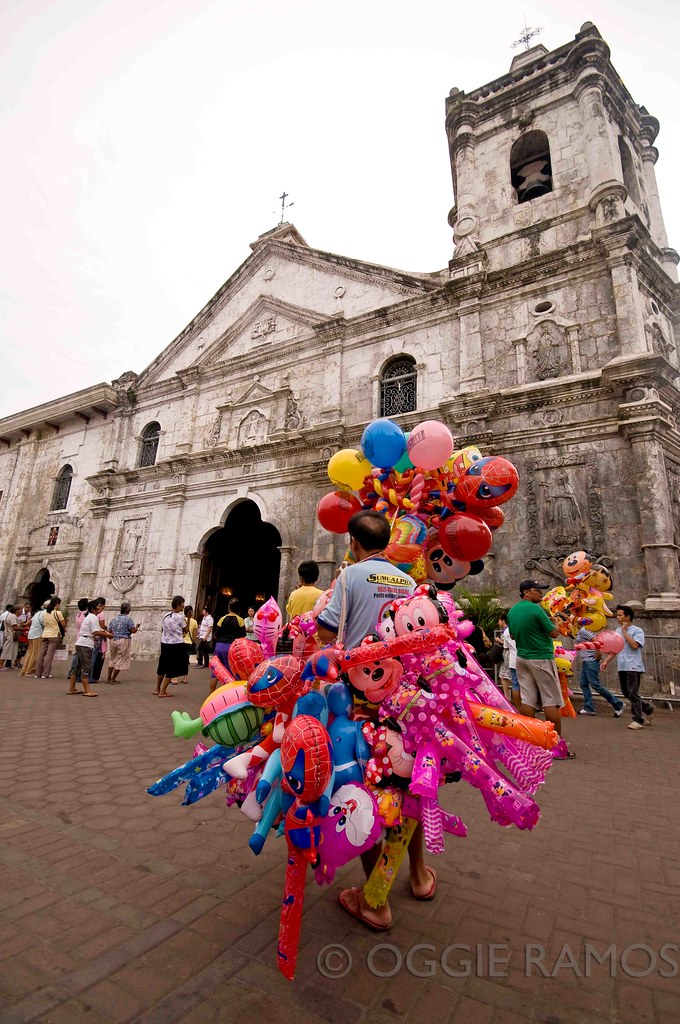
The Basilica Minore del Santo Niño was built on the spot where a statue of the child Jesus – believed to have been brought by the Spaniards during the 1521 expedition – was found by the Spaniards in 1565. The church, ran by the Agustinians, was first built out of wood and nipa in 1566 and later on constructed out of hard stone in 1735. The church’s museum traces the history of Christianity in Cebu.

Colon Street in Downtown, Cebu is the country’s oldest street. According to a SunStar Cebu published in November 2007, the Women’s international League funded 25 Heritage sites on Colon to be marked for remembrance. These markers marked significant entrepreneuring establishments of the early days and traditional homes alike.

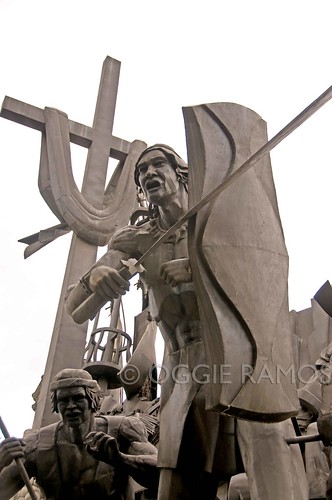
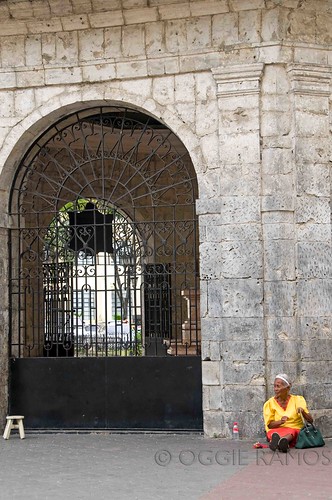
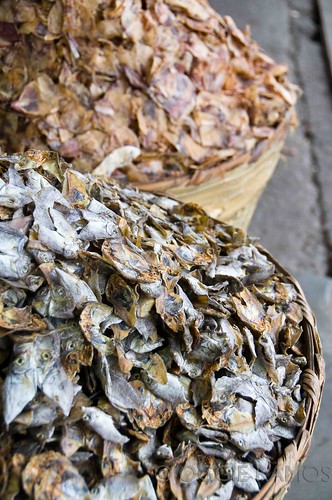
The Lapu-Lapu marker and statue at the Mactan Shrine on Mactan Island commemorate the bravery of local chieftain Lapu-Lapu, who, on April 27, 1521, repulsed the Spanish invaders, killing their leader Ferdinand Magellan, thus becoming the first Filipino to repulse European invaders. He is the city’s well loved hero. Fort San Pedro, built by Miguel Lopez de Legaspi in 1565 and finished in around 200 years later in 1738, is the smallest and oldest fort in the country. With walls 20-feet high and 8-feet thick, the Spaniards used it to repel hostile natives and Muslims; the Japanese, during World War II, used it as a hospital; it was an army camp during the years of liberation; and, in more recent years, a garden club’s experiment (1950) and a zoo (1957), before it has evolved to what it is now, a tourist attraction (P10 entrance fee). All cab drivers know where Fort San Pedro is (Brgy. San Roque, Cebu) though it’s best to come right after your visit to Taboan Dried Fish Market (Carbon, Cebu) for danggit or dried fish (P300/kilo) when it’s still not too hot to explore.

Driving around the city, there is no escaping the rotunda that is Fuente Osmeña circle, a small park marked by its famous fountain built to commemorate the city’s first waterwork construction (it’s the fountain on the right side of the fifty-peso bill), named to honor the republic’s fourth president. When you see it, you know you’re in Uptown Cebu where many hotels, shops and restaurants are located. One of the four streets Fuente Osmeña opens to is Osmeña Avenue, where the former President Osmeña’s house still stands. The street ends right smack in front of the provincial capital building, a massive colonial-style structure that is the city’s seat of government.

Culled from the Seair InFlight Magazine article, "5 Days in Cebu", April 2010 Issue • Words by Andrea Pasion, art direction by Jocas A. See, photography by Oggie Ramos • Many thanks to our insider, designer Kate Torralba for her insights on her hometown of Cebu


Next:  Part 3: Wining and Dining in Cebu 
Previous: To read Part 1: Why Go to Cebu?, click here.

Sunday, April 11, 2010

Seair InFlight: 5 Days in Cebu, Part 1

If you love the beach life and the convenience of the city, this island in the south is for you, says Andrea Pasion.

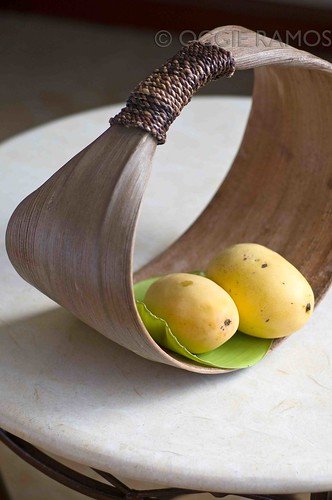
WHY GO NOW.  Cebu City is Manila without the mayhem, offering the conveniences of city living with its upscale shops and restaurants, and the joys of beach life, with many resorts just a few minutes drive away from the city center.  April is perhaps the best time as any to go when the summer season is just beginning to peak. You get to avoid the tourists, crowds, and heavy traffic during the frenetic January Sinulog street-dancing festival season and you can still get good deals in resorts and hotels. April is also the season for Philippine mangoes, reputed to be the sweetest in the world.

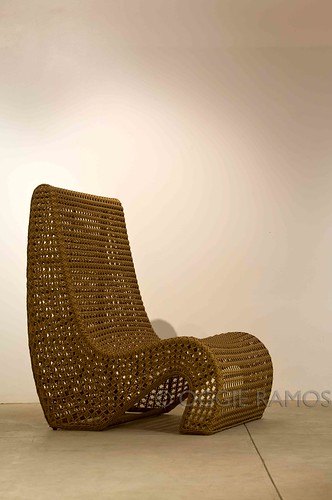
GET YOUR BEARINGS.  The very hub of the Visayas, Cebu is an economic center second only to Manila. An hour’s flight from Manila, Cebu is the gateway to the islands of Visayas, and the kick-off point to the islands of Bantayan and Malapascua, both diving destinations. On a clear day, it is possible to see Bohol from your hotel room, while Dumaguete and Suiquijor, like most other places in the Visayas, are just ferryboat rides away.  Designer Kate Torralba calls this city “the Milan of the south”, a center for international quality furniture design and fashion.

The city is home to such designers as Kenneth Cobonpue (www.kennethcobunpue.com), Customwood Fine Furniture (+6332/ 236 8603, [email protected]), Butch Carungay of Avatar accessories (www.avatar-style.com, and 2/L Greenbelt 5), fashion designers Jun Escario (www.junescario.com) and Kate Torralba (www.katetorralba.com, 2/L Greenbelt 5).

CHECK IN.  If you’re feeling like the high roller, the 561-room Waterfront Cebu City Hotel & Casino in Lahug, with its two casino floors open for 24 hours, is your kind of place. The hotel’s castle-like architecture stands out in the city’s skyline, and there’s no mistaking the Vegas-like ambiance upon setting foot in its grand lobby. For both locals and tourists, the hotel’s duty free shop is also a draw. All rooms here are fully equipped with cable TV, IDD, mini bar, fridge, broadband Internet access (there’s free WiFi but it’s a bit spotty on some floors). • Rates start at about US $100 (about P5,000) a night for a standard room to $950 for the Penthouse suite, once booked by a foreign dignitary for all of 219 nights, at a discounted P40,000/night. • Location: 1 Salinas Drive, Lahug, Cebu City  Tel: 1-800-10-WFRONT8 (for PLDT lines), +6332/ 232 9000, +632/ 687 0888 • Email: [email protected], [email protected]www.waterfronthotels.com.ph 

• The 329-room Marco Polo Plaza Cebu is built on a hill, with a view second only to Tops, Cebu’s famous hilltop lookout site. Check out the hotel’s Blu Bar and Grill, an open-air churrasco bar at the penthouse level, where having a drink a thousand feet above sea level is complemented with a breathtaking view of Lahug. The hotel is a favorite of the city’s affluent families, including Cebu Governor Gwen Garcia and Amparito Lhuillier. It is about a 20-minute drive from the city center. • Rooms start at P5,200 per night, including breakfast. • Location: Cebu Veterans Drive, Nivel Hills, Apas Cebu • Tel: +6332/ 253 1111; Manila toll-free 8888-168 • Email: [email protected]www.marcopolohotels.com

• The Plantation Bay Resort is about 30 minutes away from the city center, making it ideal for holidaymakers wanting a weekend or short break. Its 11.4 hectares of seawater lagoons and fresh water pools make it popular for families with kids. It’s also known for its spa, Mogambo Springs. Designed like a Japanese village with its own water falls and a rejuvenating hot spring Mogambo completes the illusion of a complete getaway. Plantation Bay is the only Filipino resort included in the Conde Nast Traveller’s Reader’s Choice Award Gold List for 2009 for one of the best places to stay in Asia. • Rooms rates start at $200++ on peak season, $150++ on off-peak, with breakfast for two.• Location: Marigondon, Mactan Island • Tel: +6332/ 340 5900, +632/ 844 5024 to 25 • Email: [email protected]www.plantationbay.com

• The resort of choice of honeymooners, celebrities and politicians, like Manny Pacquiao and the ASEAN heads of state, is the 547-room five-star Shangri-La’s Mactan Island Resort and Spa, which has the longest stretch of beach on the island at 350m, multi-level pools, the famous Chi Spa Village, and service you’ll remember long after your stay. It’s hats off to the concierge here.  When we asked for a box to pack a couple dozen packs of Shamrock Otap biscuits, danggit dried fish, and 7D mangorind candies from the 7D factory, the concierge sent three different sized boxes to the room for us to choose from. The concierge also made sure the lechon or roast suckling pig we ordered, which arrived just in time for us to catch the shuttle bus, was appropriately packed and tagged. • Rates at Shangri-La start at P13,500/night. • Location: Punta Engaño Road, Lapu-Lapu City, Cebu • Tel: +6332/ 231 0288 • Fax: +6332/ 2311688 • Email: [email protected]www.shangri-la.com

Rico’s Lechon, reportedly “Cebu’s best,” sells lechon at P2,500-P5,000. It’s on Hiway 77, Talamban, Cebu. Call +63917/ 407 2033 or +6332/ 344 0119 or email [email protected] to order.


 Culled from the Seair InFlight Magazine article, "5 Days in Cebu", April 2010 Issue • Words by Andrea Pasion, art direction by Jocas A. See, photography by Oggie Ramos • Many thanks to our insider, designer Kate Torralba for her insights on her hometown of Cebu

Next: Part 2 - Historical Cebu

LinkWithin

Related Posts with Thumbnails